
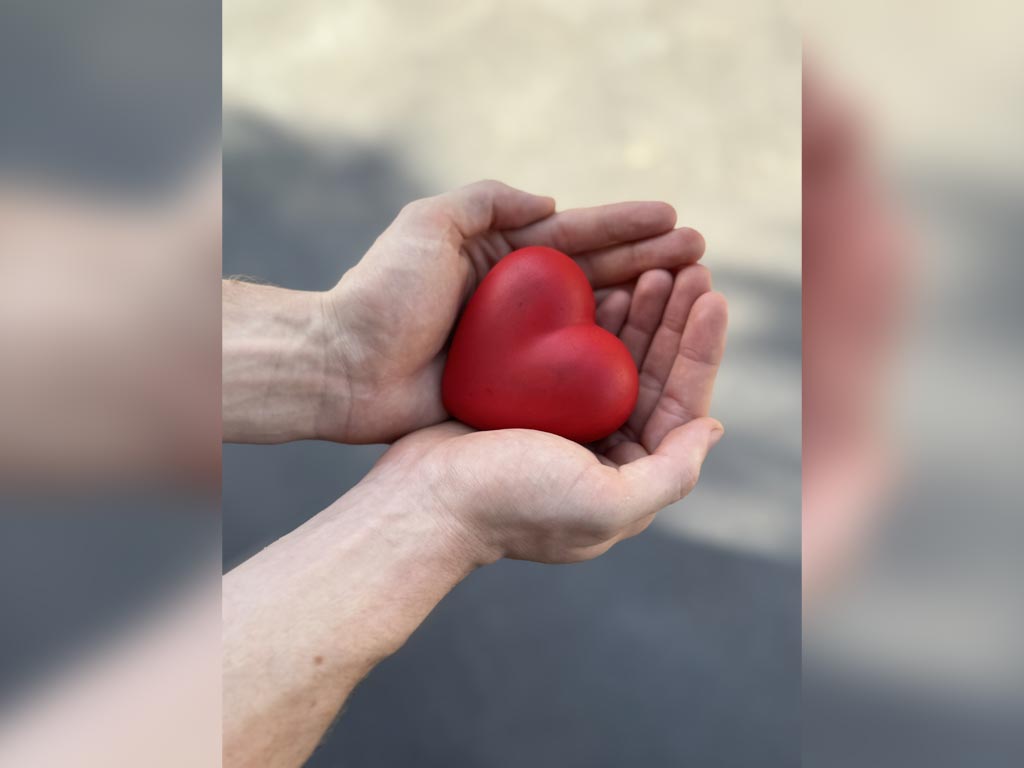
‘Boys don’t cry. Boys aren’t scared. Boys don’t show emotions.’
For generations, boys have been taught to supress their emotions. They were taught that vulnerability is weakness, and their sadness and fear were minimised.
The ‘toxic’ scripts can trap men in a cycle of isolation, numbness, and aggression. Disconnected from parts of themselves. Identifying the problem is only half the battle though. True change needs to address the alternative: Positive Masculinity.
Positive masculinity isn’t about discarding traditionally manly traits like strength, courage, leadership, assertiveness, and self-reliance. Instead, it’s about decoupling those traits from dominance, power and control, and redirecting them toward emotional intelligence, accountability, integrity, empathy, and service.
The new hero’s journey reframes strength not as domination, but as connection, compassion, and purpose, encouraging men to free themselves from the cage of toxic masculinity and to embrace the core values of positive masculinity as an evolved way of being:
1. Emotional Intelligence is a skill
In the past, being “tough” meant being a brick wall. Today, we recognize that true toughness is the ability to sit with uncomfortable emotions – grief, fear, insecurity – and process them without lashing out. A man with high emotional intelligence knows that his feelings are data, not weaknesses.
2. See strength in vulnerability
As Brené Brown famously argued, you cannot have courage without vulnerability. Positive masculinity embraces the ‘risk’ of being fully seen. It takes more guts for a man to admit to his friends that he’s struggling, e.g. with his mental health or addiction, than it does for him to stay silent and suffer alone.
3. Accountable leadership
Positive masculinity views power as something to be shared, not hoarded. It involves using one’s influence to protect the marginalized, listen to unheard voices, and admit when you’re wrong. It’s the shift from being a ‘boss’ to being a ‘mentor’.
Role Models in Action
We can find the best examples of positive masculinity in all places. These figures show that you can be ‘traditionally’ masculine while remaining deeply compassionate. Take for example Terry Crews. The former American NFL player and actor is a vocal advocate against toxic masculinity. Crews frequently speaks about his past struggles with anger and the importance of therapy and accountability. He demonstrates that physical strength is secondary to the strength of one’s character. Even in fiction, we see shifts: Aragorn in ‘Lord of the Rings’ is a king and a warrior, but he is also a man who weeps for his friends, humbles himself before others, and leads with a gentle hand. He represents the ‘Protector’ archetype without the need for toxic ego.
The toxic script demands respect through fear, perceived failure as a source of shame, resolves conflict through force and sees interdependence as weakness.
The script of positive masculinity embraces failure as a teacher, sees interdependence as a social superpower, advocates to resolve conflict through better communication and knows that respect is earned through consistency.
You don’t need a platform or a title to embody these values. It happens in the quiet moments of daily life, when you
- Listen more than you speak and give others your full attention without feeling the need to fix or dominate the conversation.
- Acknowledge your mistakes. Model accountability is one of the most powerful things a man can do for his children and peers.
- Challenge the ‘lone wolf’ myth and support other men by checking in on your friends and creating a space where they feel safe to being honest.
- Redefine ‘providing’. Providing isn't just about a paycheck. It is about providing emotional safety, presence, and stability for those you love.
The ‘New Hero’s Journey’
The ‘New Hero’s Journey’ involves several key stages and principles that can guide men toward an authentic and fulfilling life:
1. Embracing the Call:
Acknowledge life’s challenges and opportunities for growth, understand that the path to self-improvement often lies in confronting what is feared.
2. Seeking Self-Knowledge and Awareness:
Engage in introspection to understand one’s inner drivers and values, which is essential for personal growth and authentic living.
3. Integrating Strengths:
Combine qualities like courage, integrity, and responsibility with empathy, care, and an appreciation for interdependence, breaking free from rigid “macho” stereotypes.
4. Mentoring and Being Mentored:
Seek guidance from positive role models and, in turn, become a supportive figure for others, creating a cycle of positive influence.
5. Return with Purpose:
Seek guidance from positive role models and, in turn, become a supportive figure for others, creating a cycle of positive influence.
In summary
By embracing this new journey, men can help rewrite the narrative around masculinity, moving towards a healthier, more balanced existence that benefits individuals, their partners, their children, their families, their colleagues, friends, and society as a whole.
Positive masculinity is an invitation for men to embrace and be their whole selves. When men free themselves to be more empathetic, vulnerable, and collaborative, everyone wins – and men themselves will live longer and happier lives.